The team behind the reports
Two founders, one obsession: the human and political layer of infrastructure.
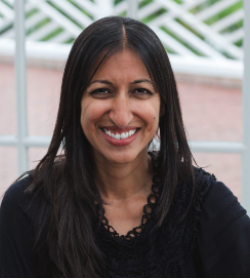
Navdeep Martin
More than a decade building AI products before founding Flypower. Navdeep leads strategy, methodology, and the standard every report has to meet before it ships.


Eliza Feltus
A career spent using AI to understand how people form opinions and make decisions. Eliza leads product — how raw public-record signal becomes a verdict a developer can act on.
Behind them, a team of analysts and editors who review every finding — and still manage to laugh together about a dozen times a day.
“When ChatGPT launched, I felt something shift. After more than a decade working in AI, I knew this was the moment to build something that mattered. Eliza and I went looking for the biggest problem we could credibly solve — and found critical infrastructure dying in public meetings and local hearings. Not on technology. Not on funding. On the human layer no tool could read.
We started Flypower because the projects that shape our future shouldn't fail for want of understanding the people who decide them. We'd love to show you what's possible.”
— Navdeep Martin Co-founder & CEO