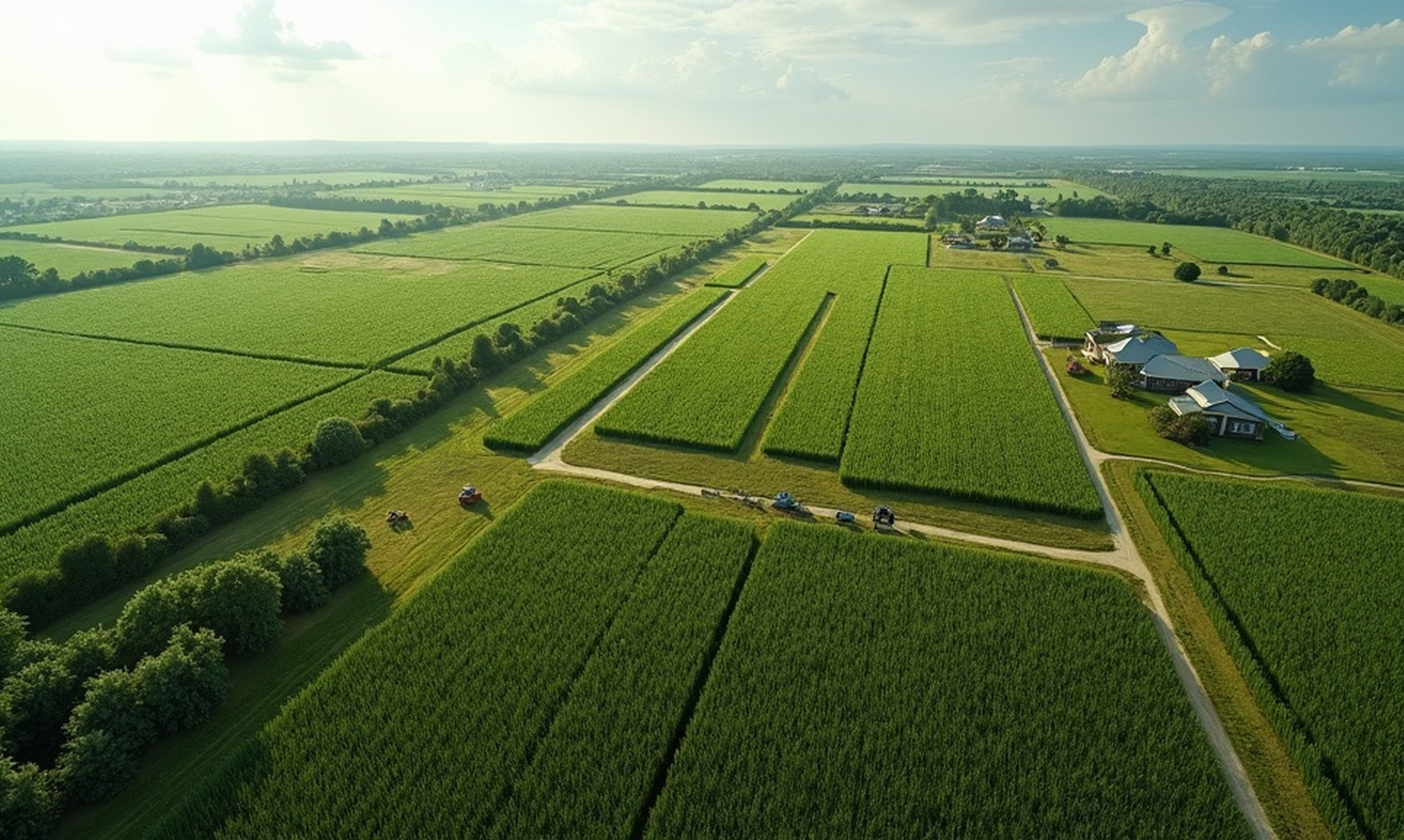
In the race to transition to clean energy, renewable developers face an often-overlooked challenge: obtaining a social license to operate.
While the concept of social license has been well-understood in extractive industries like oil and gas for decades, the renewables sector—particularly solar—has been slower to recognize its importance. This oversight stems, at least in part, from a common misconception that high levels of public support for clean energy naturally translates to local community approval. Recent years have disproved this assumption, as evident in the rising tide of negative local sentiment, which presents a significant hurdle to the clean energy transition both in the U.S. and internationally.
Understanding Public Support vs. Local Community Approval
First, it's important to distinguish between overall public support and local community acceptance. A 2021 CSIRO Energy study on large-scale solar acceptance in Australia revealed a complex picture: while 88% of people reported they would at least tolerate living within 10 km of a large-scale solar farm, only 32% would approve of a solar farm being built near their home. This significant gap between actual approval and general tolerance highlights major challenges for achieving local acceptance of solar developments.
The same dynamic holds true in the U.S. Take Louisiana, where a 2024 survey revealed that 72% of residents support expansion of solar panel farms in the state. However, this broad support doesn't necessarily translate to local acceptance, as evidenced by the stark contrast between two adjoining parishes' reactions to proposed solar projects.
Iberville Parish and Pointe Coupee Parish are both largely rural parishes in south-central Louisiana, situated along the Mississippi River and part of the Baton Rouge Metropolitan Statistical Area. Agriculture plays a significant role in both parishes' economies, although Iberville has diversified with a strong manufacturing base. Despite sharing a border and an agricultural emphasis, these two parishes have vastly different attitudes toward large-scale renewable development—with Iberville Parish strongly opposing what Pointe Coupee Parish has welcomed.
Pointe Coupee Parish: Embracing Solar Energy
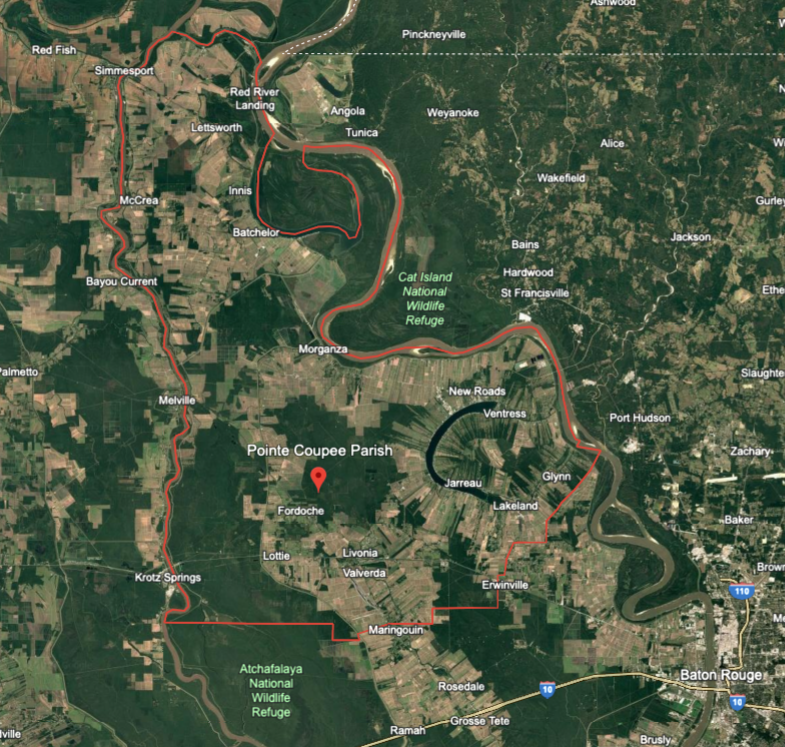
Pointe Coupee Parish has emerged as a shining example of how solar energy projects can be successfully integrated into a community. The parish council strongly supports solar development, unanimously approving a building permit for NextEra Energy's 150 MW solar farm. This positive attitude is bolstered by the success of existing projects in the area.
The 345 MW Oxbow Solar project (formerly Ventress Solar) has already made a significant impact on the parish's economy—creating approximately 400 jobs during construction and an estimated $30 million in revenue for the parish over its lifetime. Building on this success, NextEra's upcoming Mondu Solar project brings an expected investment of $230 million and over 200 construction jobs.
Local leaders have vocally supported these developments, and the parish proactively developed a comprehensive ordinance for regulating and approving future solar projects.
Iberville Parish: A Different Perspective
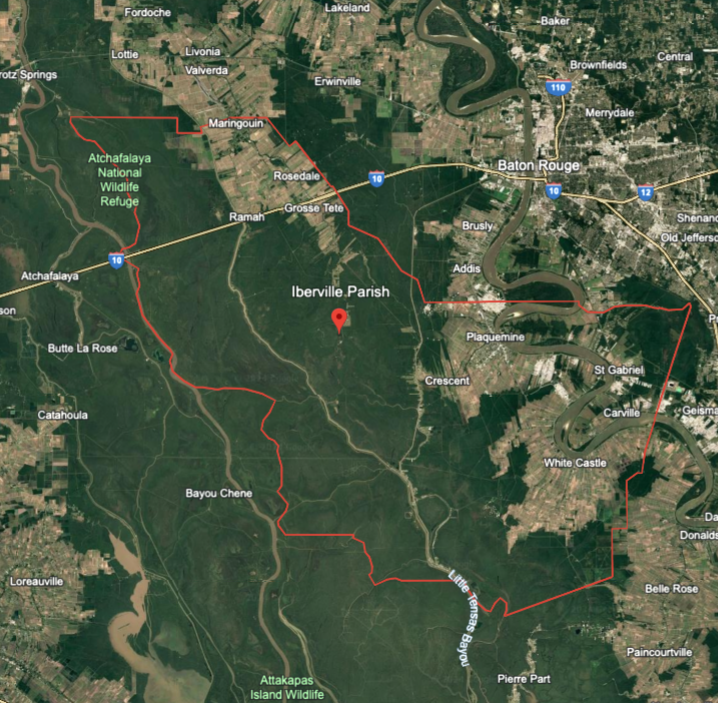
In stark contrast, Iberville Parish has seen significant opposition to a proposed 175 MW solar project—a $250 million investment promising over 200 construction jobs and renewable energy for 26,000 homes. Despite these potential benefits, over 100 residents showed up to a community meeting, nearly all in strong opposition. Those who did not speak expressed their feelings on comment cards, writing "no solar," and even "you're not wanted here."
The agricultural community, particularly sugar cane farmers, drives the majority of opposition—worried about the loss of valuable farmland, food supply, agricultural production, and property values. There's a palpable fear that the project could disrupt the parish's agricultural heritage and its general rural character. There's also skepticism about the promised benefits, and the Parish President made clear he does not support the project:
"If you want to talk about a plus, let's talk about Shintech in the next year or two spending another $4.5 billion. This [solar project] has no economic impact, and I think it can be detrimental to our community for years to come in the White Castle area."
Similar Soil, Different Seeds: Contrasting Community Profiles
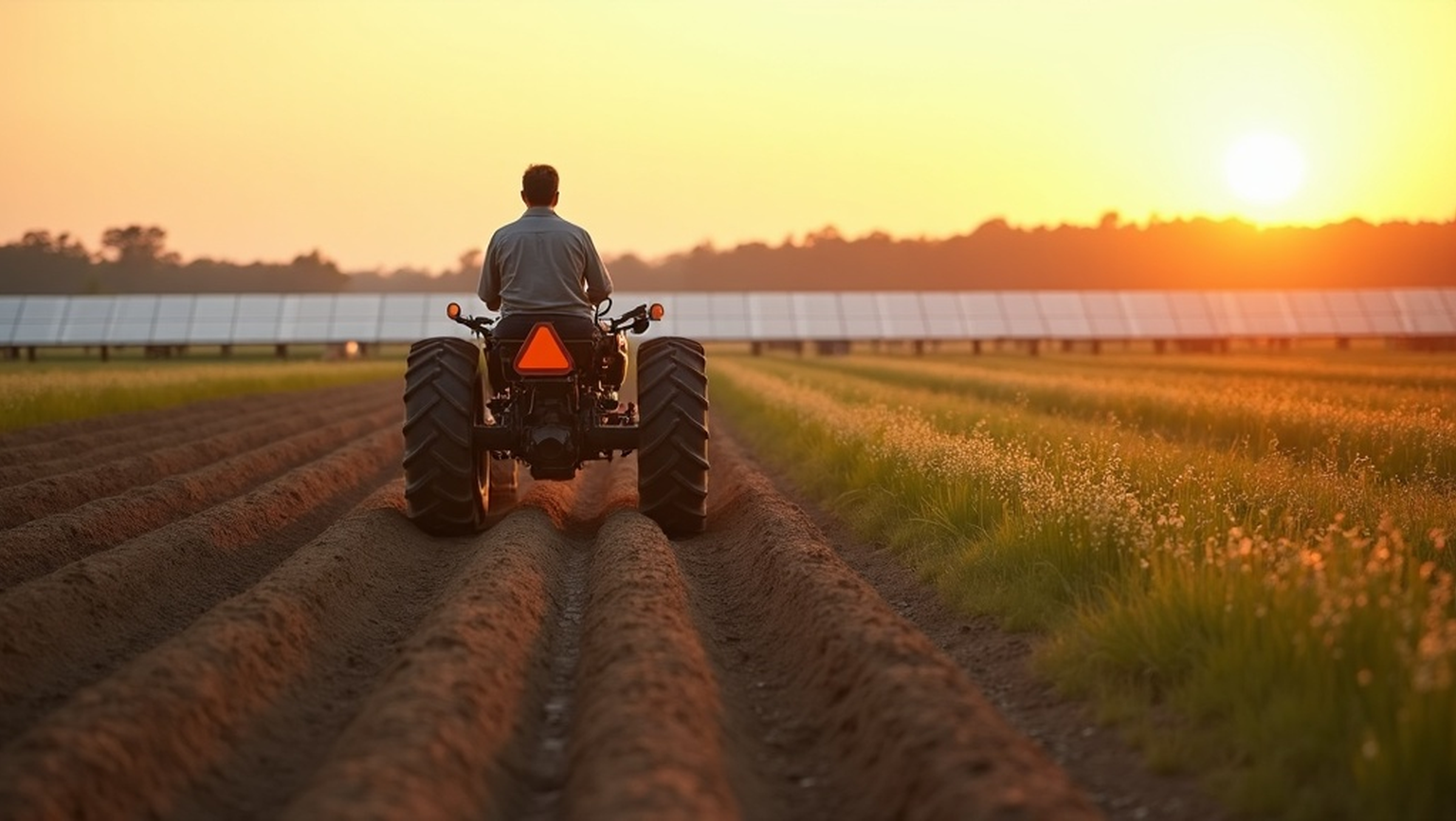
The divergent attitudes of these neighboring parishes demonstrate how geographic proximity doesn't translate to shared perspectives. Several factors developers should consider:
- Prior experience: Pointe Coupee has already implemented large-scale solar, letting residents see the benefits firsthand. Iberville, lacking this experience, faces more uncertainty and skepticism.
- Economic perspective: Pointe Coupee emphasized long-term economic benefits—and a recent economic loss made solar prospects more appealing. Iberville, with a more robust economy and substantial non-agricultural tax revenue, stayed focused on the loss of farmland.
- Leadership stance: Support from local officials in Pointe Coupee fostered positive attitudes; opposition from Iberville's leadership reinforced community concerns.
- Land use priorities: Iberville strongly emphasizes preserving agricultural land; Pointe Coupee is open to diversifying its economic base.
- Community identity: Iberville residents share a strong collective identity tied to agricultural heritage, with a clear "us vs. them" dynamic toward outside companies. Pointe Coupee's shared identity lies predominantly in its vibrant Creole culture — less attached to the land use itself.
The Challenge for Renewable Developers
As the renewable energy sector grows, maintaining social license becomes increasingly complex. Each new project faces scrutiny not just on its own merits, but in the context of every other renewable project that came before it. Developers must be more diligent in due diligence and community engagement alike.
A note of caution: While Pointe Coupee's government supports solar for potential tax revenue, local support remains mixed but largely ambivalent — a latent social and political risk for future proposals despite government support. Developers must proactively build local support to prevent opposition from spreading between parishes.
A New Approach to Community Engagement
At Flypower, we recognize that obtaining a social license to operate is just as critical as securing building and electrical permits. Our approach leverages generative AI to help renewable energy developers predict local community risks during due diligence and guide their community engagement strategy to secure approval.
By processing data from diverse sources—government meetings, zoning rules, social media, and local news—our reports provide invaluable insights into community attitudes and regulatory landscapes, empowering developers to manage risks proactively and increase project success rates.
The tales of Iberville and Pointe Coupee parishes underscore the critical importance of assessing and addressing local dynamics during the due diligence stage. Each community has unique concerns, priorities, and experiences that shape its attitudes — and understanding them is not just good practice. It's essential for the successful transition to a clean energy future.